Categories
Health Tips Healthy Home New Home

College Dorm Medications – Pharmacist Recommended

Pharmacist recommended College Dorm Medications

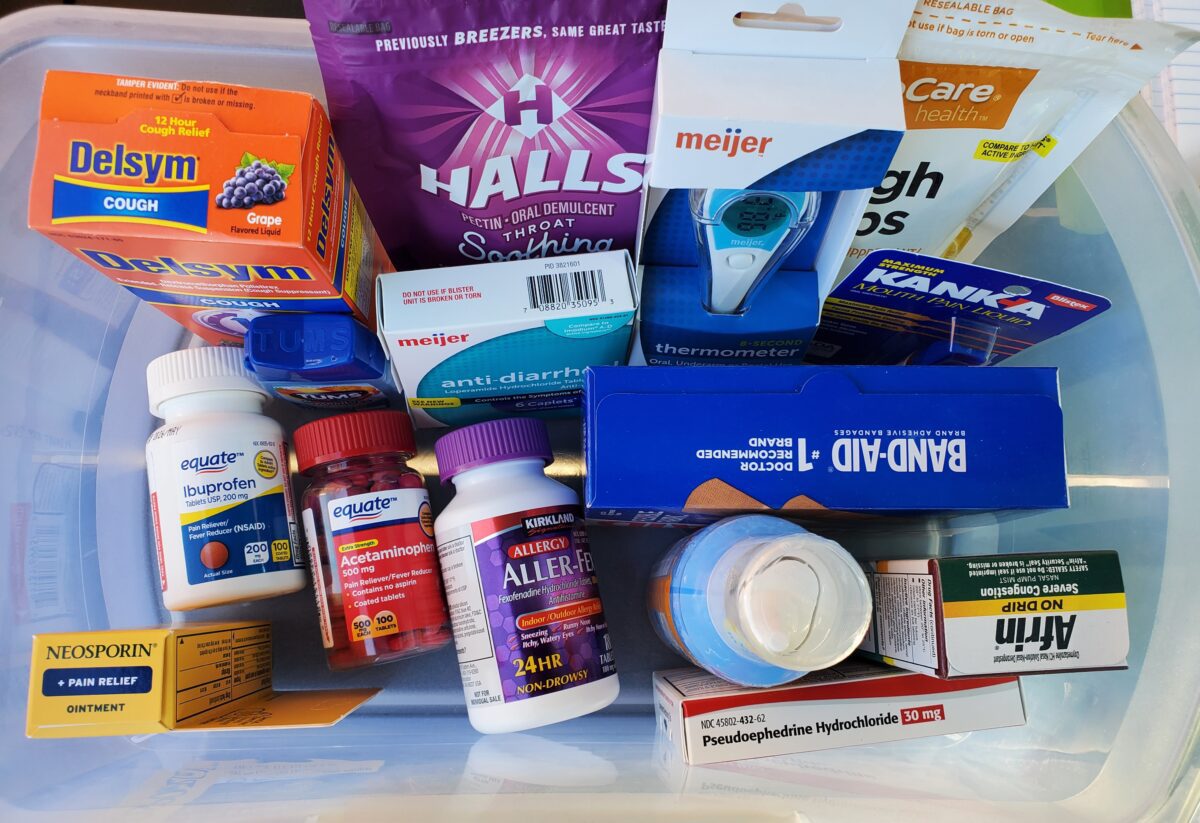
Are you are getting ready to send your teen off to their college dorm? Look no further for some practical pharmacist recommended college dorm medications. These items will make a very helpful medicine and first aid kit. I am a pediatric pharmacist with over 2 decades of experience and I am also a mother of three teens. Obviously I need to caution that I cannot just give blanket recommendations because all medications have some contraindications and potential drug interactions. Always read the product safety information and/or speak directly with your doctor or pharmacist if you are taking other medications or have any health conditions or medication allergies.

Make sure your teen is up to date on immunizations and has a copy of their immunization record and health insurance card. Here is a link to the vaccine recommendations for 19-26 year-olds.

Always send all college dorm medications prescription and non-prescription in the original containers so your teen can read the instructions.

As a pharmacist I usually recommend single ingredient medications. It might save space to include multi-symptom cough and cold medications, but it is not worth the saved space to have you teen taking medications that are not needed. It is also easier to overdose on acetaminophen or ibuprofen with multi-symptom medications. Which is why my pharmacist recommended college dorm medications are nearly all single ingredient medications. I usually buy generic medications because they work just as well as brand name medications. Sometimes I prefer brand name medications due to better flavor.

https://www.pinterest.com/pin/675751119117912532/

Which medications should you bring to your college dorm?

Prescribed Medications

Please make sure your teen has all of their prescribed medications and knows how and where to obtain refills. If your teen is going out of state make sure they are still able to obtain refills in that state. All state laws are different, so make sure you have a plan in place ahead of time. Please also make sure your teen is aware of their medication allergies and what their reaction was to the medication. If your teen is taking any prescribed medications or has any medication allergies or health conditions, check with their doctor or pharmacist if any of the other medication listed are still safe to include in their kit.

Pain/Fever medication

Include a small bottle of Ibuprofen (MOTRIN, ADVIL) and/or acetaminophen (TYLENOL). The bottle size depends on how much how much you expect your teen will need. Ibuprofen and acetaminophen are both good choices for pain or fever. They can both provide relief from a sore throat or headache. Ibuprofen is better for menstural cramps, tooth or bone pain, and is also an anti-inflammatory. It would also be a good idea to include a digital thermometer.

Gastrointestinal medications

Heartburn medication. A small bottle of Tums. Even if your teen does not have trouble with heartburn now, they may start to have problems when they get to choose all of their own food for the first time. College meal plans are sometimes all you can eat, including many dessert options. If they use up their supply and request more, that would be a good time to discuss better food choices and smaller meal sizes.

Diarrhea/Constipation medicine. Travel size Imodium. If they make poor food choices or get sick from close living quarters they will love you forever for including medication for diarrhea. This would not be the medication they will want to walk to the nearest pharmacy to obtain. For constipation I recommend better food choices and exercise as first line treatment for occasional constipation. Fruits, veggies, All-bran, prunes, prune juice, more water, and nice walk. If that doesn’t work, and it’s a new problem, it’s probably due to lack of fiber in their diet. Most college students to do not eat enough fiber in their diet. It would not hurt to include a fiber supplement in the medication kit. If they take the fiber supplement, make sure they are staying hydrated.

Hydration. Diarrhea and vomiting can cause dehydration. Including a few packs of Pedialyte or Liquid IV will help if your teen is dehydrated. Staying hydrated can also reduce the risk of constipation. Check out my other post on how to increase your fluid intake.

Cold and flu medications

Nasal Congestion medicine. I recommend including something for allergies and at least one decongestant. Maybe your teen does not suffer from allergies, but could if they move to a new area. I prefer Zyrtec for allergy symptoms, but Claritin and Allegra are also good choices for a non-sedating antihistamine. I would also include a decongestant incase the congestion is from a cold or flu. In this case pseudoephedrine is my first choice. In some states it can only be purchased from a pharmacist. I would also include a bottle of Afrin nasal spray. This can only be used for three days, six doses. It is dosed 1-2 sprays each nostril every 12 hours. It cannot be used for more than 3 days, but it will be three glorious days of breathing through your nose during the worst of any cold or flu.

Cough medicine. For cough in teens and adults it is okay to use Delsym. There are age restrictions on the purchase of Delsym in some states due to abuse potential. This should not be a problem for most college students because the age to purchase is 18. I still think it is the best over the counter option for cough for teens and adults and I am sending a bottle to college with my teen. I would also include cough drops that have menthol as the main ingredient and some that are just soothing throat drops with pectin as the main ingredient. The menthol drops are best for cough suppression. The pectin drops are better for sore or irritated throat, but can also help a bit with cough.

Topical medications

For cuts and scrapes I recommend triple antibiotic ointment and a package of a variety of sizes of Band-Aids.

For itchy rashes a tube of 1% hydrocortisone cream will be a helpful medication to bring to your dorm room.

Canker sores can be brought on by stress, which is why I recommend including Kanka, a topical anesthetic for mouth sores.

Sleep Aids

I prefer non pharmacological treatment as first line for insomnia. I can understand how sleeping in a new place might be a problem due to noise, stress, or just a new environment. Honestly, I used a box fan to block out the noise when I stayed in a dorm. Earplugs are an inexpensive option that might be helpful. A sleep mask might help if your teen is sensitive to light. Good sleep hygiene would be ideal, but if all else fails it wouldn’t hurt to have a small supply of melatonin. I’d recommend 2.5mg or less as a starting dose.

College dorm medication checklist

Disclaimer: Always check with your teen’s doctor or pharmacist if they have any allergies, medical conditions, or are taking any prescribed medications before including these medications in your college dorm medication kit. This section contains affiliate links.

  1. Prescribed medications
  2. Acetaminophen (Tylenol)
  3. Ibuprofen (Motrin, Advil)
  4. Cough drops (menthol)
  5. Throat Drops (pectin)
  6. Tums
  7. Imodium (loperamide)
  8. Fiber
  9. Pedialyte packets
  10. Non sedating antihistamine (Zyrtec, Claritin or Allegra)
  11. pseudoephedrine
  12. Brand name Afrin nasal spray (oxymetazoline)
  13. Delsym (grape flavor)
  14. Triple antibiotic ointment
  15. 1% hydrocortisone cream
  16. Kanka
  17. Lubricating eye drops (Artificial Tearsnot Visine)
  18. Melatonin
  19. Multiple vitamin
  20. ChapStick
  21. Sunscreen
  22. Insect repellant

Basic First Aid Supplies for College Dorm Checklist

  1. digital thermometer
  2. Variety of Band-Aids
  3. Ice Pack
  4. Scissors
  5. Tweezers
  6. Cotton balls/swabs
  7. Gauze pads
  8. Medical tape
  9. Ace bandage
  10. Tick Key
  11. Alcohol swabs
  12. Gloves

Other College Dorm Needs

Check out our other post for what you need to make your dorm your home. This post includes many items we forgot to pack. Be prepared!

Prime Student 6-month Trial

As an Amazon Associate, I earn from qualified purchases.
Categories
Health Tips Healthy Home

Five Sneaky Tricks to Increase Your Hydration

According to the CDC the average American adult drinks about 39 ounces of water per day. This is below the recommended amount. If you are like many adults who wish to increase your water intake, read on for five sneaky tricks to increase your fluid intake.

Why should I drink more water?

Water is essential for life. Your body is about 60% water. You need water for temperature regulation, clear thinking, eliminating waste, and proper circulation.

Drinking adequate amounts of water prevents dehydration, keeps your skin healthy, reduces fatigue, prevents constipation, and reduces the risk of kidney stones.

How much water do I need?

The Institute of Medicine of the National Academies recommends that healthy men consume 3.7 Liters ( 125 ounces) and healthy women consume 2.7 Liters or 91 ounces of water each day.

These are just guidelines for adults with average activity. There are other factors that could change your water needs such as physical activity, climate, age, sex, pregnancy and breastfeeding.

Warm climate could increase your fluid intake needs.

How can I increase my hydration?

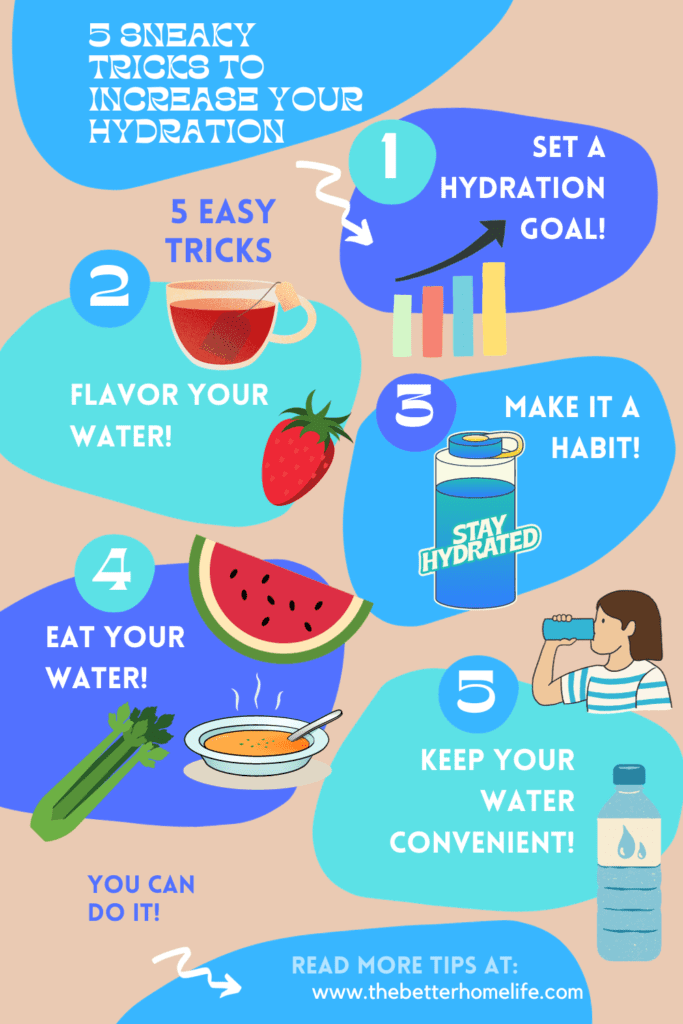
Increasing your daily fluid intake could be as easy as just setting a goal and finding ways to stick to it. If you don’t really care for drinking plain water than finding ways to flavor it could help. Maybe you just need to find ways to fit drinking more fluids into your daily routine. Read on for some great ways to increase your daily fluid intake.

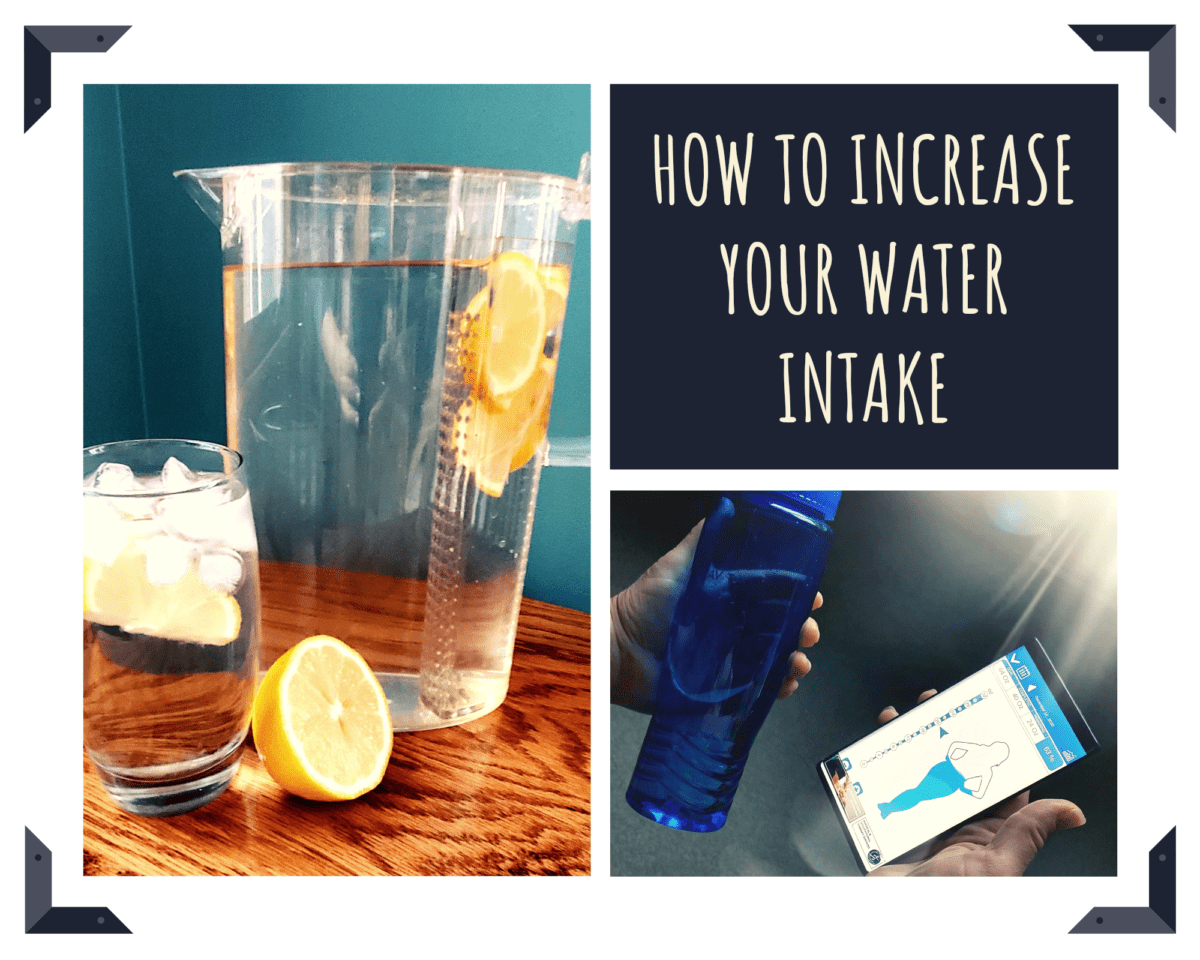
How to increase your hydration infographic

1.Set a goal to increase your fluid intake

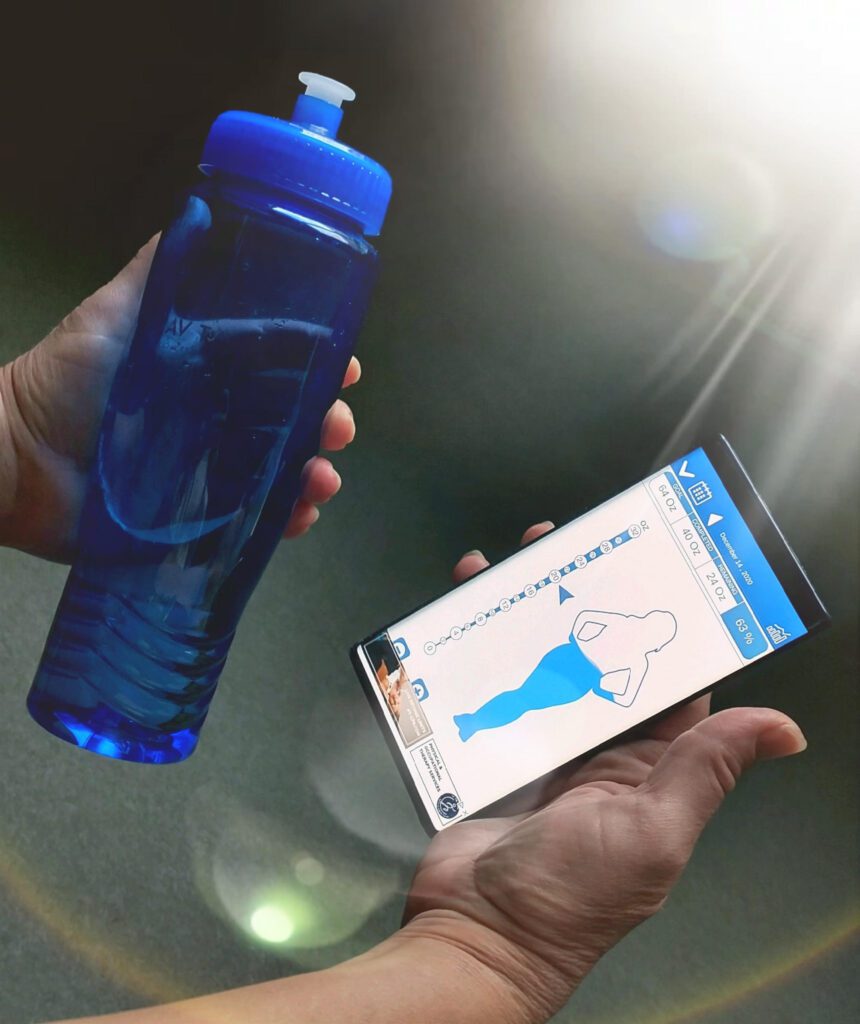
Use an app to keep track of your water consumption goals.

If you already enjoy drinking water you may just need to set a goal and find a way to stick to it. Believe it or not there are plenty of apps out there to help you keep track of your water consumption goals. These apps will be best used with a water bottle with measurement marks on it to help you keep track of your consumption.

2. Flavor your water to help increase your fluid consumption

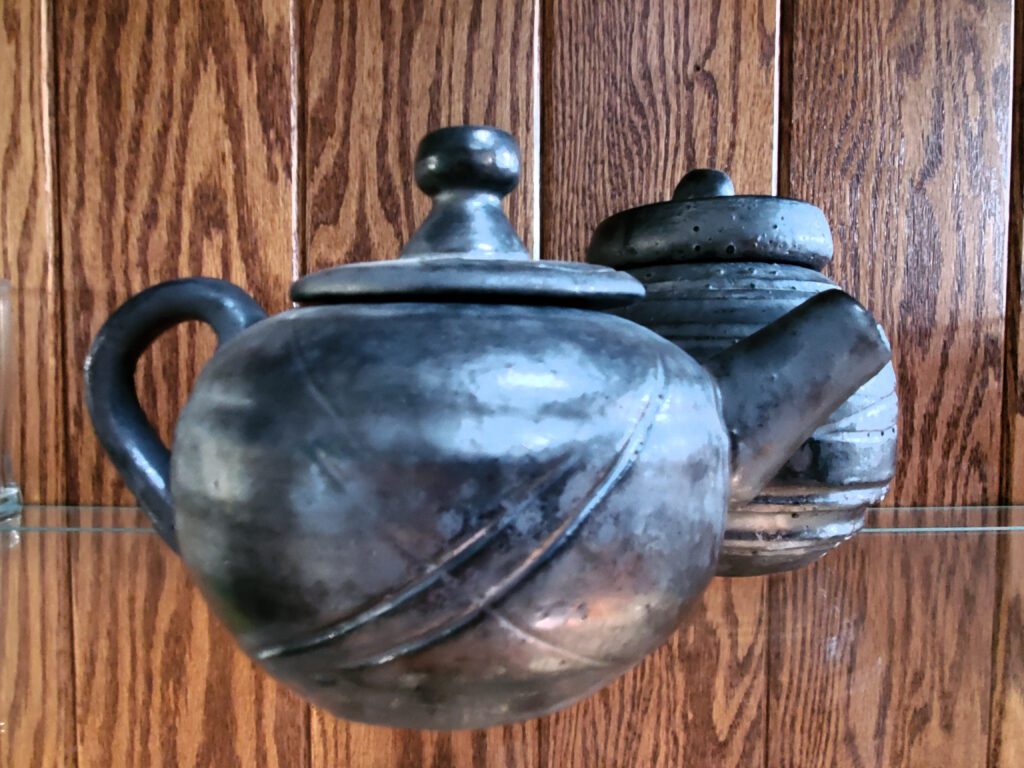
Tea is a great way to flavor water
Tea is a great way to flavor your water.

If you struggle to drink plain water it may really help if you flavor your water. I like to infuse fruit flavor into my water. My favorite is lemon, but there are plenty of fruits and vegetables that can give your water a pleasant flavor without adding too may calories. I like to use a water pitcher with infuser to add fruit to my water because it keeps the seeds out of my water. It is also easy to clean out and refresh the fruit. If you prefer you could drink iced or hot tea as an alternative to plain water or fruit infused water. It’s best to try decaffeinated teas if possible. I’d recommend trying several teas before you rule this out. There are so many different teas you could try; there has to be at least one you would like.

3. Make drinking water a habit to help increase your hydration.

You can easily increase your fluid intake by making drinking water part of your daily routine. Jim Kwik, author of Limitless has a great example of this in his morning brain enhancing routine. He drinks a tall glass of water every morning to help replace overnight losses from breathing. You could also make it a habit to drink a tall glass of water before each meal. This can also help you to eat less and could improve your weight loss goals.

4. Eat your water to help increase your fluid consumption.

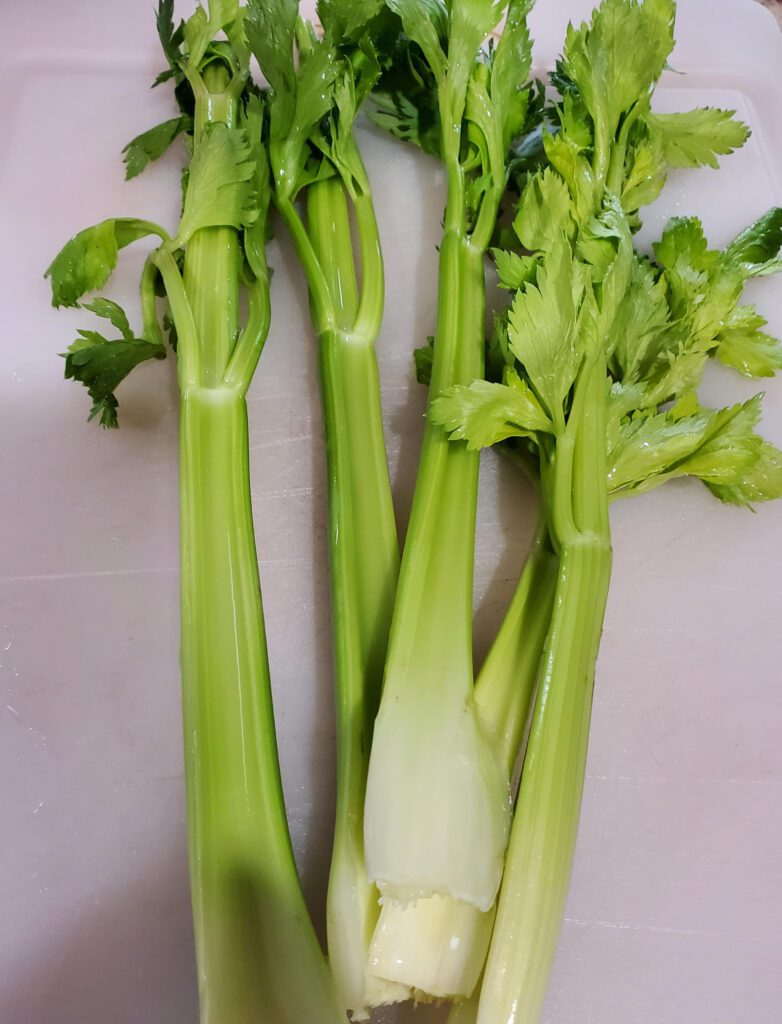
Celery is 95% water.
Celery is 95% water

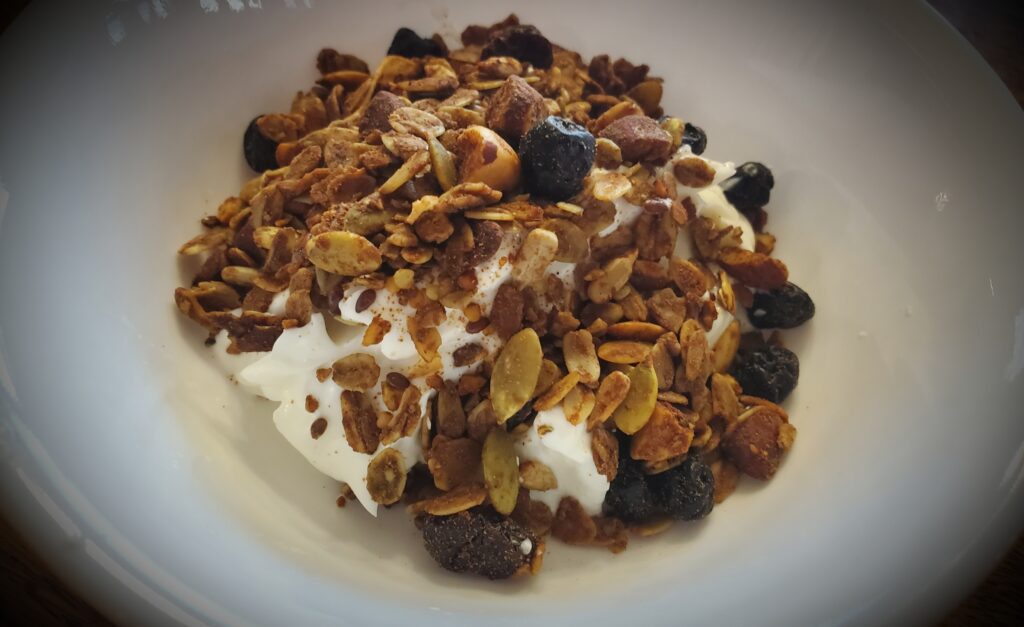
Simply increasing you consumption of fruits and vegetables could help to increase your overall fluid consumption. Some fruits and vegetables are very high in water. Examples of fruits and vegetables with the high water content are cabbage, celery, watermelon, peaches, bell peppers, cucumbers, lettuce, tomatoes, oranges, cantaloupe, and strawberries. Other foods with high fluid content are yogurt, cottage cheese, and soup. Try adding some of these foods to your diet. You could swap French fries for coleslaw, or swap a sandwich for a salad or soup. Have a breakfast smoothie or try my Immune Boosting granola with yogurt.

Immune-boosting-granola-served-with-yogurt
Immune boosting-granola served with yogurt.

5. Keep water convenient to help increase consumption.

Find a water bottle you love and make sure to take it with you. Make sure it fits into the cup holder in your car. Find one with a handle that is easy to carry, or invest in a water bottle carrier.

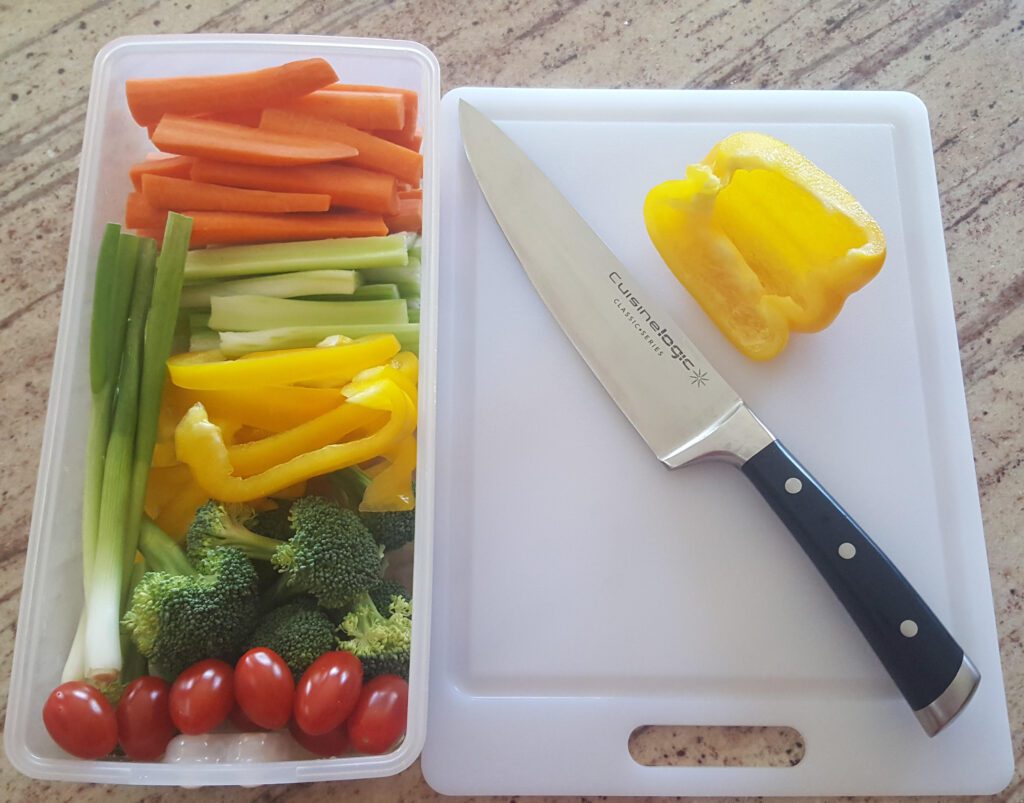
Leave a glass of water on your night stand at night. Keep a glass near you at work. Fill a pitcher with plain or fruit infused water and keep it in the refrigerator. Keep a tray of fresh sliced fruit or veggies in your refrigerator.

Prepared veggie tray
Grab and Go veggie tray to keep in your fridge.

As an amazon associate I earn from qualified purchases.

Categories
Breakfast recipes Health Tips Healthy Recipes Recipes

Pharmacist Shares Immune Boosting Granola Recipe

Customers are flooding into local pharmacies in search of immune boosting supplements. Many of these immune boosting ingredients can easily be included in your diet. It’s much less expensive to eat your vitamins than to purchase supplements. I’m a pharmacist and I would love to share my recipe for Immune Boosting Granola. Granola is a quick and easy breakfast or snack that can easily be added to any daily meal plan. Add some to you favorite yogurt or just pack it for a quick and easy snack.

Disclaimer: The statements made regarding this recipe have not been evaluated by the Food and Drug Administration. The efficacy of this recipe has not been confirmed by FDA-approved research. This recipe is not intended to diagnose, treat, cure or prevent any disease.

Immune Boosting Nutrients

In order to make an immune boosting recipe, one first needs to know which nutrients are known to boost immunity. I have compiled a list of immune boosting vitamins and minerals, because adding more to your diet can help boost your immunity.

Vitamin C- There is research to support Vitamin C supplementation in reducing the length and severity of respiratory infections.1 Vitamin C plays an important role in immune response.

Zinc – Plenty of research is certainly available supporting zinc supplementation in reducing the length and severity of infections.1 Zinc is an important player in immune response.

Vitamin D – There is some evidence that vitamin D could reduce the risk of Influenza and COVID-19 infections and death.2

Vitamin B6- A deficiency in Vitamin B6 reduces your ability to make antibodies to fight off infection. Vitamin B6 could help strengthen immunity.3

Vitamin E- Immune response is enhanced by Vitamin E. It can provide protection against infections.4

Selenium- The immune system relies on adequate dietary selenium.5

Immune Boosting Ingredients

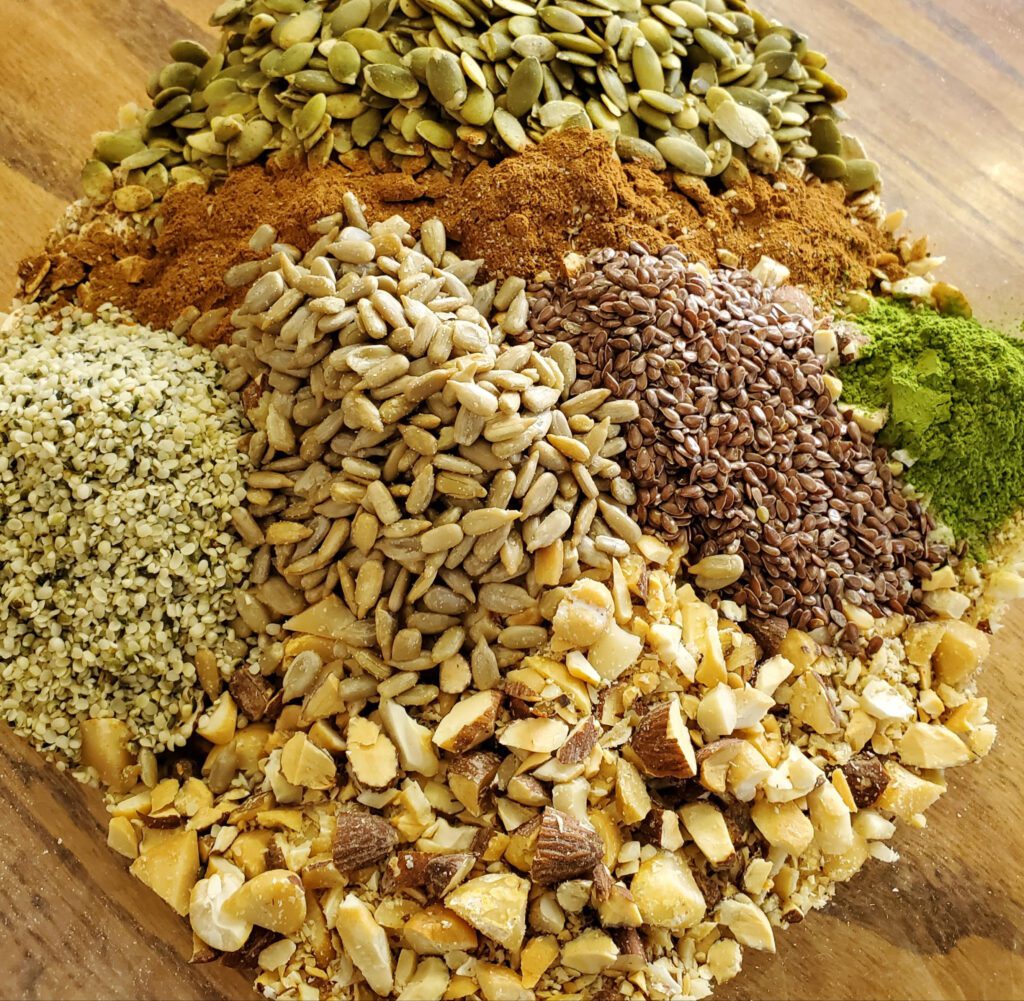
I selected my granola ingredients to include as many immune boosting vitamins and minerals as possible so they can help boost immunity. Here is a list of my ingredients because it is important to understand why they were included in my recipe.

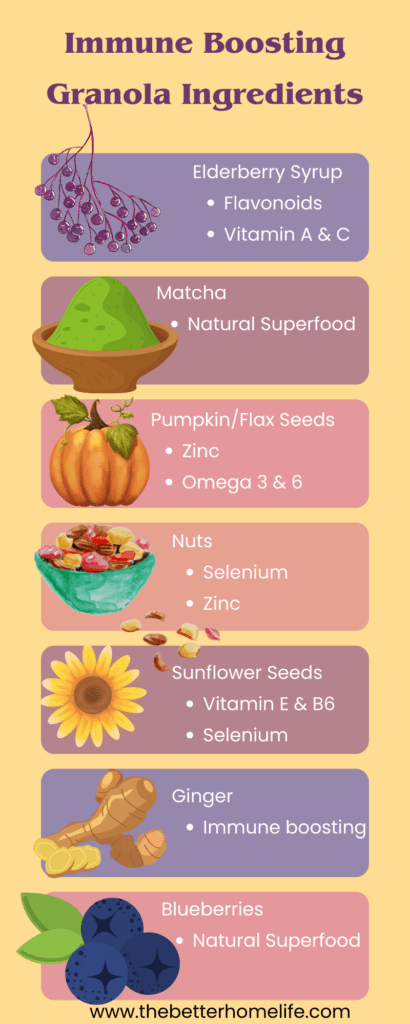
  1. Elderberry syrup (find it here): Elderberry syrup is also used to enhance immunity. Elderberries are high in flavonoids, Vitamin A and Vitamin C. It may also help reduce symptoms of viral infections by stimulating immune response.6
  2. Matcha (find it here): Another natural superfood, matcha is green tea powder. It is made by grinding green tea leaves into a fine powder. Regular consumption of green tea could decrease influenza infection rates and cold symptoms.7
  3. Hemp hearts(find them here), pumpkin seeds and Flax Seeds: I included all of these mostly for the zinc and omega 3 and 6. These polyunsaturated fats also have been extensively studied for their role in immune health.8
  4. Nuts: These serve as a good source of selenium and zinc. I also chose Brazil nuts because they have the highest amount of selenium. Cashews are also high in zinc.
  5. Sunflower seeds: These seeds also have some healthy fats, but I chose them mostly because they are an excellent source of vitamin E. They are also a good source of selenium and vitamin B6.
  6. Ginger: Can also help reduce the severity of respiratory infections.9
  7. Blueberries: Another natural superfood. Blueberries are a good source of Vitamin C. I included them because they are one of the best sources of antioxidants, mostly flavonoids.

Immune Boosting Granola Recipe

Ingredients:

4 Cups Oats

1 Cup mixed nuts (cashews, almonds, and Brazil nuts)

1/4 Cup sunflower seeds

1 Cup shelled pumpkin seeds

1/4 Cup hemp hearts

1 Tablespoon matcha powder

2 Tablespoons cinnamon

1 teaspoon ground ginger

1/2 teaspoon Himalayan pink salt

2 Tablespoons flax seed

1/3 Cup dried cranberries

1/2 Cup shredded dry coconut

1/3 Cup dried blueberries

1/2 Cup honey

1/3 Cup Peanut butter

2 Tablespoons Elderberry Syrup

1/3 Cup coconut oil

Directions:

First preheat oven to 350 degrees F. Mix together the oats, nuts, sunflower seeds, pumpkin seeds, hemp hearts, matcha, cinnamon, ginger, salt, and flax seed. Meanwhile, in a separate bowl mix the peanut butter, coconut oil, honey, elderberry syrup. Once mixed, pour the wet ingredients over the dry ingredients and mix until evenly coated.

Cover a Jelly Roll Pan with parchment paper. Spread the granola over the paper. Bake for 15 min. Remove from the oven and mix in the dried coconut. Bake for 10 more minutes. Remove and mix again. If the coconut is not completely toasted, bake for 2 more minutes or until most of the coconut is toasted but not burnt. Lastly, remove from the oven and stir in the dried fruit while the granola is still warm. Finally, allow the granola to cool to room temperature. Although it is difficult not to finish it all in one sitting, you may have some leftover. If so, you can store in an air tight container at room temperature for up to 2 weeks.

Immune Boosting Granola Served with Yogurt

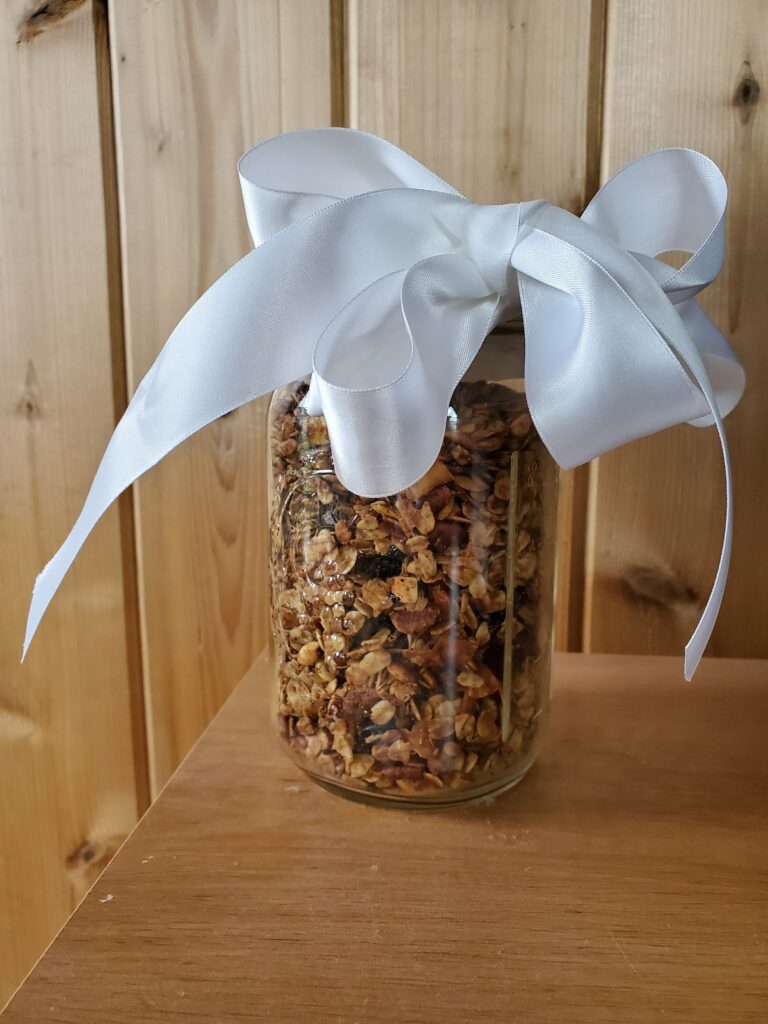
Granola makes a great gift!

References:

  1. https://www.karger.com/Article/Abstract/90495
  2. https://www.mdpi.com/2072-6643/12/4/988
  3. https://pubmed.ncbi.nlm.nih.gov/28367454/
  4. https://www.ncbi.nlm.nih.gov/pmc/articles/PMC6266234/
  5. https://pubmed.ncbi.nlm.nih.gov/30200430/
  6. https://www.tandfonline.com/doi/abs/10.1271/bbb.120112
  7. https://www.mdpi.com/1420-3049/23/7/1795
  8. https://www.ncbi.nlm.nih.gov/pmc/articles/PMC6834330/
  9. https://www.ncbi.nlm.nih.gov/pmc/articles/PMC7019938/

As an Amazon Associate, I earn from qualified purchases.

x  Powerful Protection for WordPress, from Shield Security
This Site Is Protected By
Shield Security